Synthetic triple-agonist peptide
GLP-3 RTA, explained in 60 seconds.
what it actually is, the research it shows up in, and the lab report behind the exact vial you'd get.

★ 4.9 from 2,598 verified researchers
for laboratory research use only · not for human or veterinary use
what is it? ↓so what is glp-3 rta?
GLP-3 RTA is a synthetic single-chain peptide engineered to act at three related class B G-protein-coupled receptors at once: the GLP-1 receptor, the GIP receptor, and the glucagon receptor. Its backbone is derived from the incretin peptide family and carries a fatty-acid modification that extends plasma half-life in pre-clinical systems, making it a widely cited reference agonist in incretin-receptor research.
where it sits
one receptor. then two. now three.
incretin-receptor research has moved in generations, and each one is defined by a single thing: how many receptors one molecule can engage at the same time. GLP-3 RTA is the third rung.
one molecule, one target. the first generation of reference agonists hit the GLP-1 receptor alone, so every downstream signal a study measured traced back to that one pathway. clean, but it only tells you about one arm of the system.
adding the GIP receptor gave researchers a second incretin arm in the same molecule — and a new problem: separating what each receptor contributes when both are engaged at once. this is where comparative agonist pharmacology got genuinely hard.
GLP-3 RTA adds the glucagon receptor, so a single synthetic chain engages three related class B GPCRs simultaneously. that is why it shows up as the comparator in current work on cAMP signaling, receptor trafficking, and nutrient-handling pathways — it is the only rung on the ladder where all three arms are live in one molecule.
← this is what's in the vial
this describes receptor pharmacology in laboratory models — which targets are engaged, and what that changes about the signaling being measured. it is not a statement that any generation performs better than another in a person, and nothing here is a claim about humans or animals.
where it shows up
the research it appears in.
these are laboratory models, not claims about people. that distinction is the whole reason this is sold as a research compound.
here's the receipt.
every lot is screened by an independent lab and the report is published before you buy. the document below is a real published verve report — it's our BPC-157 lot, shown so you can see exactly what arrives with GLP-3 RTA: named lab, lot number, method, result.
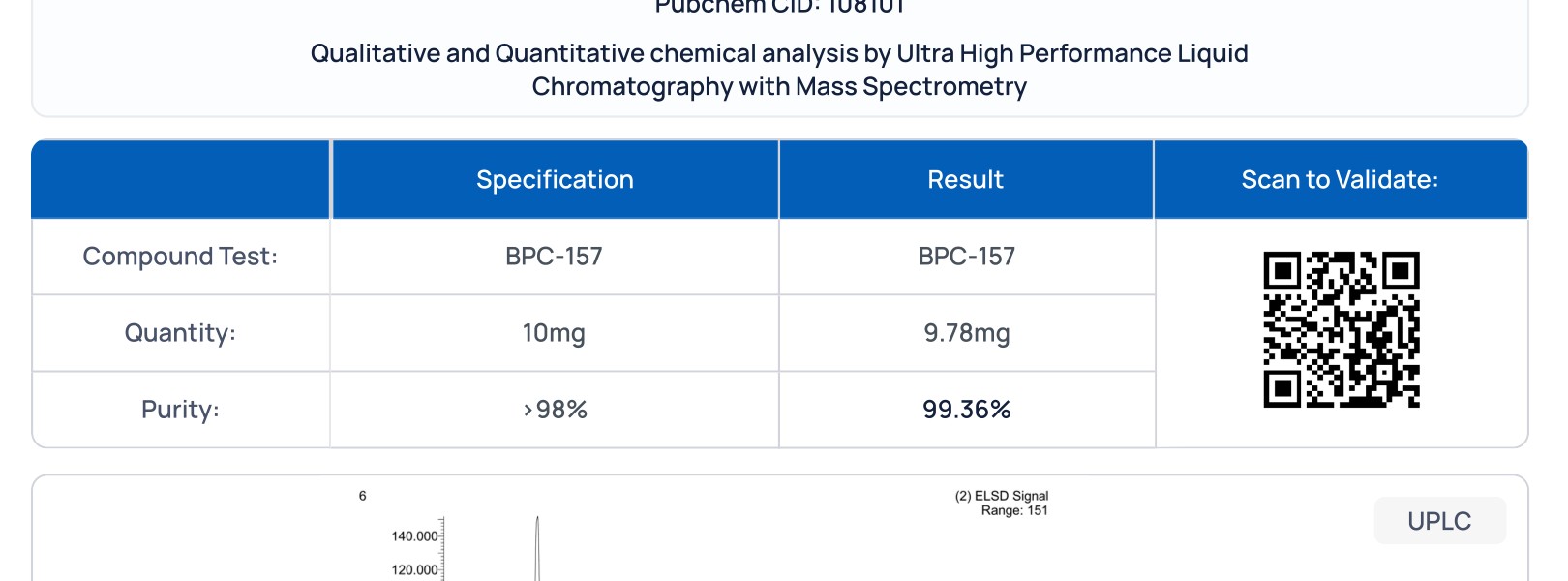
pictured: verve's published BPC-157 report. your GLP-3 RTA lot ships with its own.
≥99%
spec
RP-HPLC
method
COA
per lot
the batch code on your vial matches a row in the COA library. if it doesn't match, the document isn't yours — that's the whole test.
same molecule. different paperwork.
“others” describes a general category of supplier, not any specific company or country.
GLP-3 RTA
10mg · ≥99% HPLC · batch COA included
$155.99
20%
off any 2
30%
off any 3
code AUGUST10 takes another 10% at checkout
free shipping over $100 · ships same day before 2pm ct · plain-english returns
what people ask.
GLP-3 RTA is a synthetic peptide that acts as an agonist at three receptors — GLP-1, GIP, and glucagon. Verve supplies it as a research compound for laboratory use only, not for human or veterinary use.
researchers also look at
for laboratory research use only — not for human or veterinary use. verve makes no claims regarding the diagnosis, treatment, or prevention of any condition.